
Introduction to Sustainability
Sustainability is the practice of meeting present needs without compromising the ability of future generations to meet theirs. It is defined by balancing environmental, social, and economic factors to ensure long-term well-being. Sustainability is important because it helps protect ecosystems, maintain resources, and support resilient communities in the face of climate change and biodiversity loss.
Living more sustainably involves considering energy use, waste reduction, water conservation, responsible consumption, and supporting renewable resources. It also includes promoting social equity and economic stability. By adopting sustainable habits, such as reducing emissions, minimising waste, and choosing ethical products, individuals and organisations contribute to a healthier planet and a more secure future.
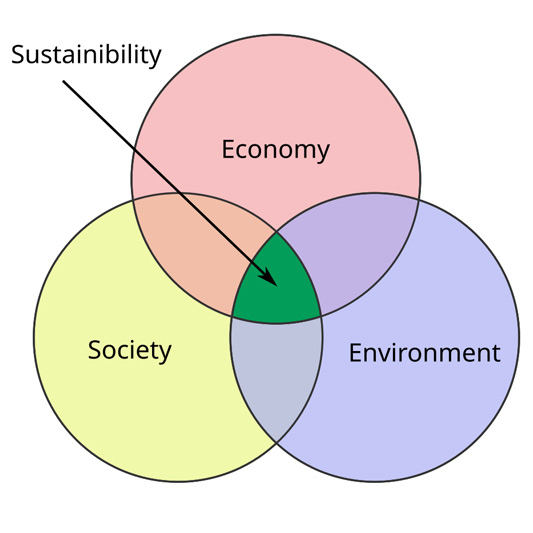
The three pillars are interconnected. Protecting ecosystems, ensuring social equity, and maintaining economic viability supports long-term resilience and well-being for people and the planet.
What is sustanability?
This video from National Geographic explains climate change simply, showing how greenhouse gases trap heat, causing global warming. It highlights human activities like burning fossil fuels, the resulting impacts on weather and ecosystems, and stresses urgent action to reduce emissions and protect the planet.

The UN Sustainable Development webpage provides detailed information on the 17 global goals, and progress updates. It provides interactive resources and guidance for individuals.

The Open University Sustainability Hub offers free courses, articles, and interactive resources to help individuals and organisations understand sustainability challenges.

Gain a free, government-funded Level 2 certificate in Environmental Sustainability. Learn about sustainable development and energy and waste management with tutor support.

