This section of the climate action planning toolkit is designed as a practical and comprehensive guide for schools, providing essential information, advice, and support to embed sustainability across educational communities. It aims to empower educators, students, and operational staff to take meaningful climate action, breaking down complex environmental challenges into manageable areas and offering a clear roadmap for integrating sustainable practices throughout school life - from classrooms to supply chains.
For each topic, the guide provides a consistent, actionable framework. It explains why the issue matters and why schools are uniquely positioned to act, then outlines practical steps, from curriculum integration and student-led campaigns to operational improvements. Strategies for embedding sustainability into school values and culture ensure lasting change. Each section is also supplemented with curated resources, including videos and expert links, making this toolkit an indispensable companion for schools committed to creating a healthier, more environmentally responsible learning environment.
Air Quality: Emphasises clean air for health and wellbeing, highlighting schools’ role in protecting students and fostering responsible citizenship.
Energy: Supports decarbonisation through reduced consumption, estate improvements, and student education on energy efficiency.
Food: Encourages sustainable catering, plant-based and local options, on-site food growing, and waste reduction.
Nature: Promotes biodiversity on school grounds, supporting ecosystems, enhancing learning, and aiding climate mitigation and adaptation.
Procurement: Guides ethical, low-carbon purchasing to reduce indirect emissions from supply chains.
Travel: Promotes active, low-carbon commuting such as walking and cycling to lower emissions and improve local air quality.
Waste: Champions circular economy principles—reduce, reuse, recycle—to minimise landfill and nurture resource-conscious behaviour.
Water: Focuses on conservation, protecting limited resources, and managing flood risks to build climate resilience.
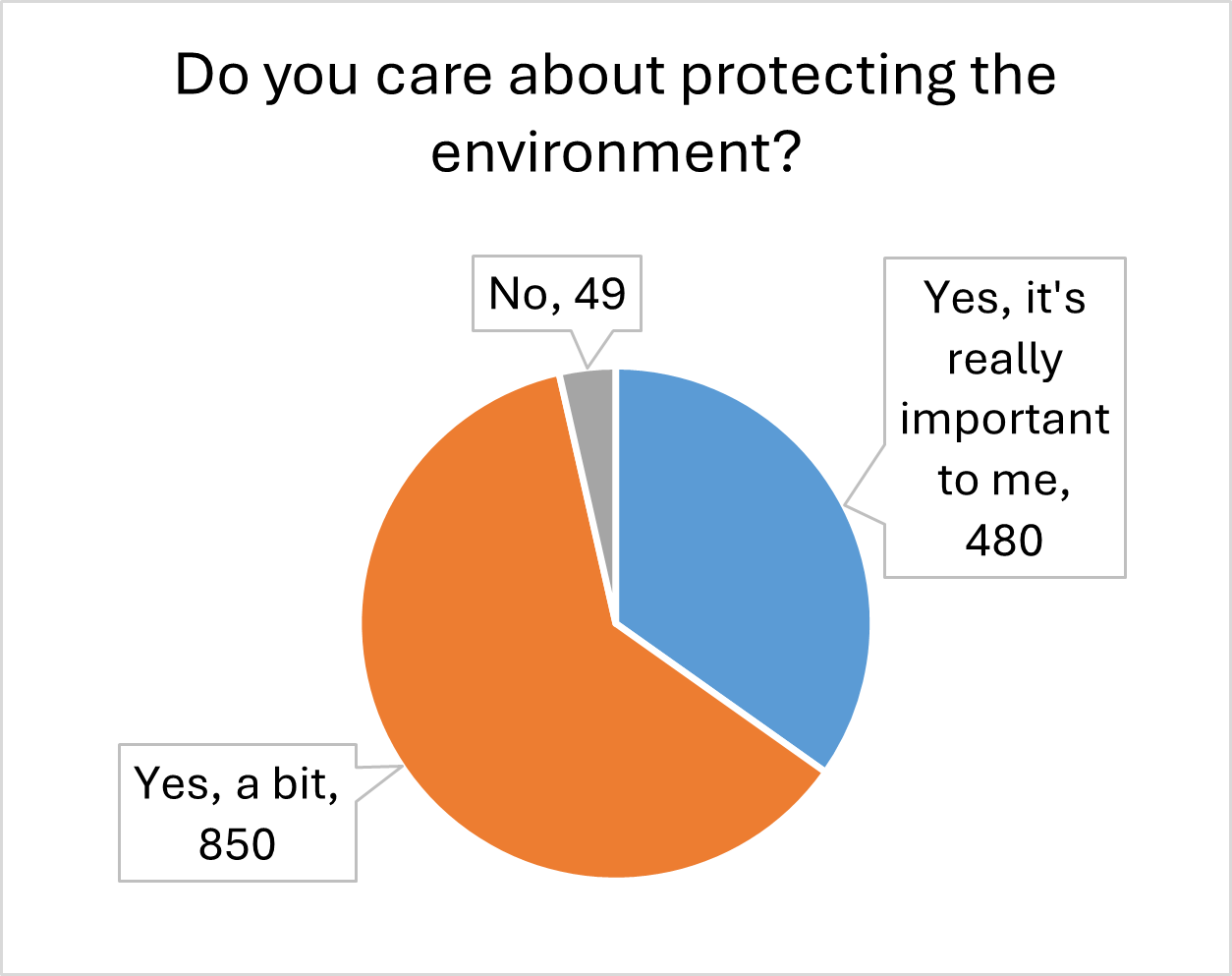
From January to March 2026, 1,378 young people aged 11–18 across Suffolk took part in a countywide survey about climate change, the environment, and their hopes for a greener future.
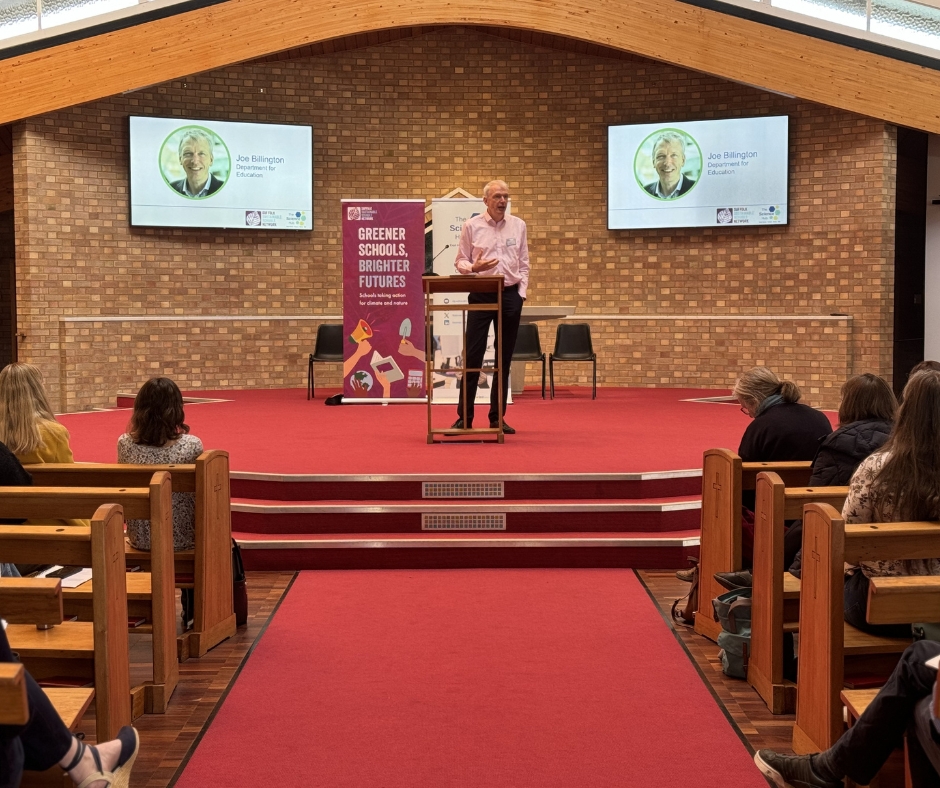
Schools across Suffolk and Norfolk are invited to come together for the Suffolk & Norfolk Sustainability in Education Conference 2026.

Nine new electric car clubs have launched across Suffolk, giving communities affordable access to electric vehicles (EVs).
Endeavour House
8 Russell Rd Ipswich
Suffolk
IP1 2BX