
Introduction to Climate Basics
Climate change refers to long-term shifts in Earth’s climate, primarily driven by human activities. Burning fossil fuels releases greenhouse gases, especially carbon dioxide, which trap heat in the atmosphere and raise global temperatures. Since the Industrial Revolution, CO₂ levels have surged over 50%, causing rapid warming. Consequences include more extreme weather, melting ice sheets, rising seas, and ecosystem disruption.
The past decade has been the hottest on record, with 2024 surpassing 1.5°C above pre-industrial levels. Scientists warn that continued warming will intensify risks, but urgent action to cut emissions can still limit the most severe impacts. Immediate action is critical as every year of delay locks in more severe impacts, from rising seas to devastating heatwaves. Rapid cuts in emissions and global cooperation are essential to safeguard ecosystems, economies, and human health.
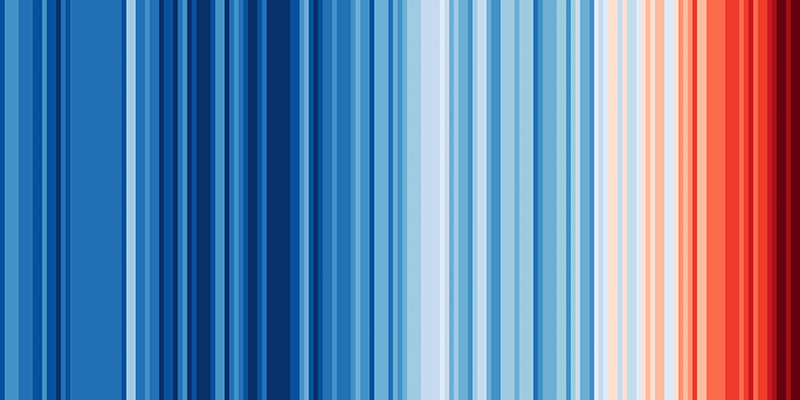
Ed Hawkins’ climate stripes visualise global warming using coloured bars, each representing a year’s temperature since 1850. Blue shows cooler years, red shows warmer, highlighting the clear trend of accelerating climate change.
What is Climate Basics?

This simple climate change guide explains the science in accessible language, covering causes, impacts, and future risks. It uses real-world examples to explain global warming and why urgent action is needed.

The Met Office provides a toolkit of evidence-based resources to combat climate misinformation, helping individuals understand the urgent need to reduce greenhouse gas emissions.

NASA presents clear scientific evidence of global warming, using satellite data and historical records. The page explains human-driven causes, and observed impacts like rising temperatures and melting ice.

