
Adaptation and Resilience
Effective climate adaptation reduces vulnerability by helping organisations, communities, and individuals anticipate risks, implement protective measures, and build resilience, ensuring they can withstand and recover from the impacts of climate change.
Climate adaptation means adjusting to current and future climate impacts, while resilience is the ability to withstand and recover from those impacts. For individuals and organisations in the UK, these are vitaFl as extreme weather, flooding, and heatwaves become more frequent. Adaptation measures include assessing climate risks, improving building insulation, installing sustainable drainage systems, and diversifying supply chains.
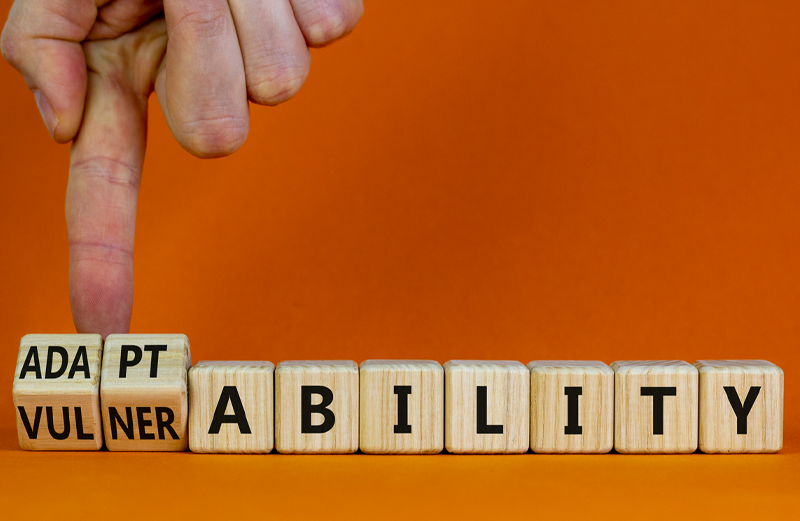
Organisations can integrate climate considerations into business continuity plans and invest in green infrastructure. Individuals can adopt water-saving practices, plant trees, and prepare emergency plans. Building long-term resilience ensures reduced disruption, protects assets, and supports community well-being, helping the UK meet sustainability goals and thrive in a changing climate.
What is climate adaptation?
This video from The Nature Conservatory explores how adaptation strategies like nature-based solutions help communities adapt and reduce harm. Learn practical ways nature supports climate adaptation now and in the future.

The Met Office offers practical advice for individuals, communities, and businesses on climate adaptation and developing long-term resilience. This information also links to expert resources and Get Climate Ready guidance for ongoing support.

This free, self-paced e-course from UN Learn introduces the basics of climate change through six modules with interactive lessons, quizzes, and downloadable resources. Learners gain practical knowledge, access UN materials, and receive certification, supported by help pages and guidance for deeper learning.

LCAT provides a free online tool to help UK local authorities and communities plan climate adaptation. It offers data, guidance, and practical resources to assess climate risks, identify actions, and build resilience, supporting evidence-based decisions for sustainable, climate-ready places.

