Eco-anxiety signals a generation that cares deeply about the planet. By addressing it with compassion and reframing it as eco-empathy, schools can turn fear into fuel for positive change. Supporting emotional wellbeing alongside climate education ensures students feel hopeful, connected, and ready to shape a sustainable future.
What is Eco-anxiety?
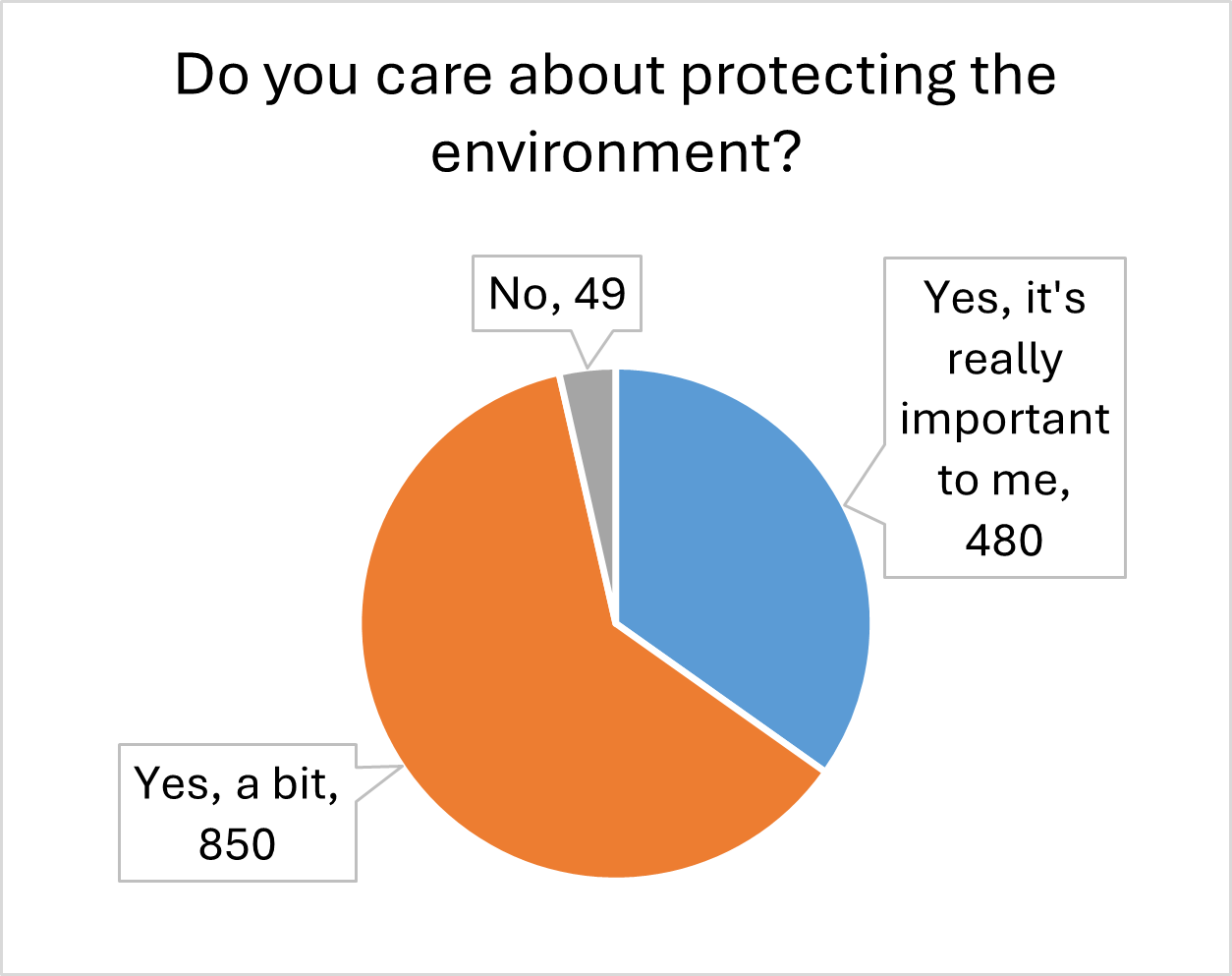
Eco-anxiety is the chronic fear of environmental doom: a growing emotional response to climate change and ecological crises. It manifests as feelings of sadness, anger, helplessness, and guilt, often accompanied by physical symptoms like stress and fatigue. For young people, this anxiety is amplified by uncertainty about their future and constant exposure to alarming news. Studies show that over 80% of young people worry daily about climate change, with many reporting feelings of powerlessness and despair. Schools are increasingly encountering these emotions in classrooms, making it essential to address them with care and compassion.
Eco-anxiety is not a disorder; it is a rational response to real threats. However, when left unaddressed, it can lead to overwhelm, disengagement, or even mental health challenges. Recognising eco-anxiety as a sign of empathy and awareness is the first step toward transforming it into constructive action.
Switching the Narrative: Eco Empathy
Instead of framing eco-anxiety as a weakness, we can reframe it as eco-empathy a deep care for the planet and its future. This shift acknowledges that concern for the environment is a positive trait, rooted in compassion and responsibility. By validating these feelings, we help students see themselves not as victims of crisis but as agents of change.
Encourage conversations that normalise these emotions. Create safe spaces where students can share their worries without judgment. Use reflective practices, such as journaling or circle discussions, to help them process feelings and connect with others who care. This sense of belonging reduces isolation and fosters resilience.
Compassion: Practical Strategies to Cope
Help students identify actions they can take, however small. From reducing waste to planting trees, tangible steps restore a sense of control and purpose.
Share positive stories of environmental recovery and innovation. Highlight local and global successes to counterbalance negative news and inspire hope.
Daily nature connection like gardening, outdoor learning, or simply spending time outside, reduces stress and strengthens emotional wellbeing. Nature is a proven antidote to anxiety.
Embed routines that nurture self-care, care for others, and care for the environment. Mindfulness, peer support, and sustainability projects help build resilience and balance.
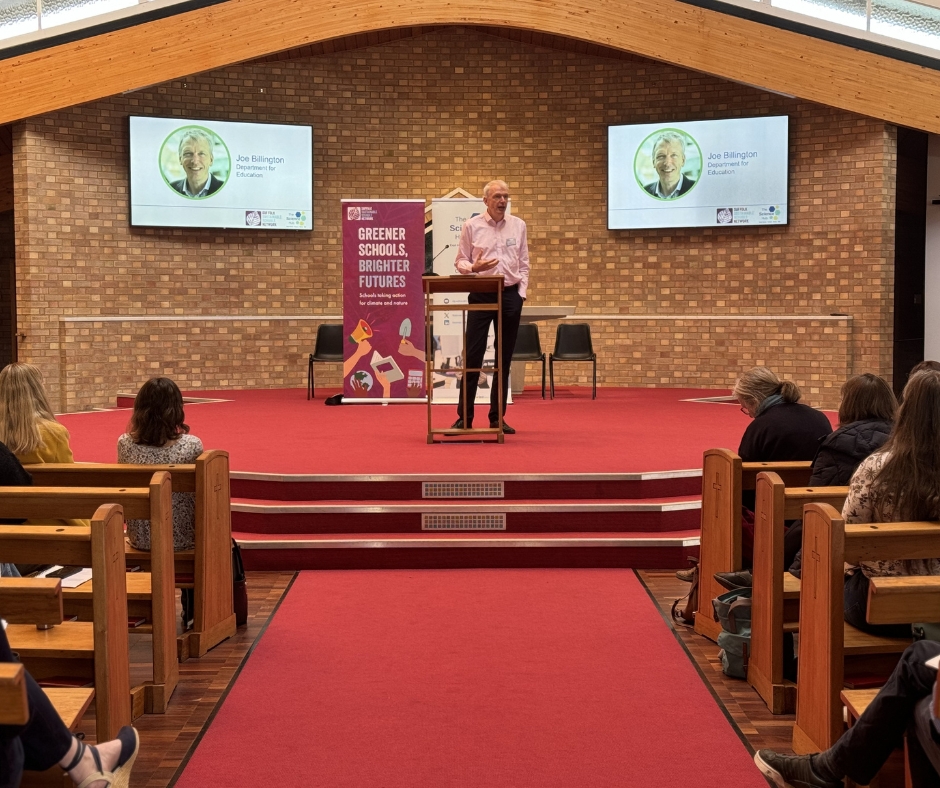
Join networks like the Suffolk Sustainable Schools Network to share ideas and feel part of a collective movement. Collaboration amplifies impact and reduces feelings of isolation.
Integrate sustainability into lessons through problem-solving projects. When students see themselves contributing to solutions, anxiety transforms into empowerment.
Adaptation and Resilience
Individual Support

By joining the Suffolk Sustainable Schools Network you can connect with leaders and teachers facing similar challenges. Our regular meetings provide emotional support, practical strategies, and shared resources to navigate climate anxiety and build resilience.

Active Hope offers free online training, tools and resources to help individuals and educators build resilience. It provides guided practices, community support, and inspiration for action.

The We Are the Great Turning podcast offers conversations, bonus exercises, and a toolkit to help listeners transform climate grief into action. It provides guidance on resilience, community building, and Joanna Macy’s Work That Reconnects.

The Climate Psychology Alliance provides resources, research, and safe spaces to address eco-distress and climate emotions. It offers listening circles, training, CPD events, and consultancy for educators and professionals.
Supporting Organisations for Schools

Climate Courage Schools provides resources, campaigns, and a support network to address climate anxiety and teach honestly about climate change. It promotes emotional resilience, practical adaptation, and collective action.

Force of Nature supports educators with CPD workshops, student programmes, and resources to address climate anxiety and inspire action. It offers discussion guides, training sessions, and webinars to build resilience, foster leadership.

The ThoughtBox Education website offers courses, resources, and community support focused on the Triple WellBeing® approach, caring for self, others, and the planet. It provides sample lessons, practical activities, leadership training, storybooks, and a global educator network to transform education for a healthier future.

The Letters to the Earth website provides teachers and school staff with creative resources and guidance to integrate environmental storytelling into education. It offers downloadable toolkits, lesson plans, and activities that inspire climate conversations, encourage student expression, and foster collective action for a sustainable future.

CLARITY supports educators with lesson plans and activities that help young people move from climate anxiety to emotional resilience and action, making climate learning compassionate and future-focused. They also have a self-paced course for educators and a teacher's guide to climate resilience education.
 Mentally Healthy Schools have developed a toolkit to help schools and colleges explore the links between climate change and mental health, supporting young people as they navigate a rapidly changing world.