
Introduction to Decarbonisation
Decarbonisation means reducing carbon emissions, mainly from burning fossil fuels, in order to slow climate change. This is done by switching to renewable energy, improving energy efficiency, and adopting low-carbon technologies.
In schools, this can include installing solar panels, using heat pumps, improving insulation, and reducing waste. It is also important to reduce indirect emissions from an organisation, such as supply chains and commuting as these often form the largest share of emissions and significantly influence overall climate impact.
This energy transition can start with energy audits. Changes in transportation are also important to consider, such as electric vehicles and promoting active travel.
Therefore, jobs are needed in renewable energy installation, retrofitting buildings, engineering, and sustainability management. Education and training roles are really important for a more sustainable future, ensuring staff and students understand sustainable practices and contribute to long-term climate goals.
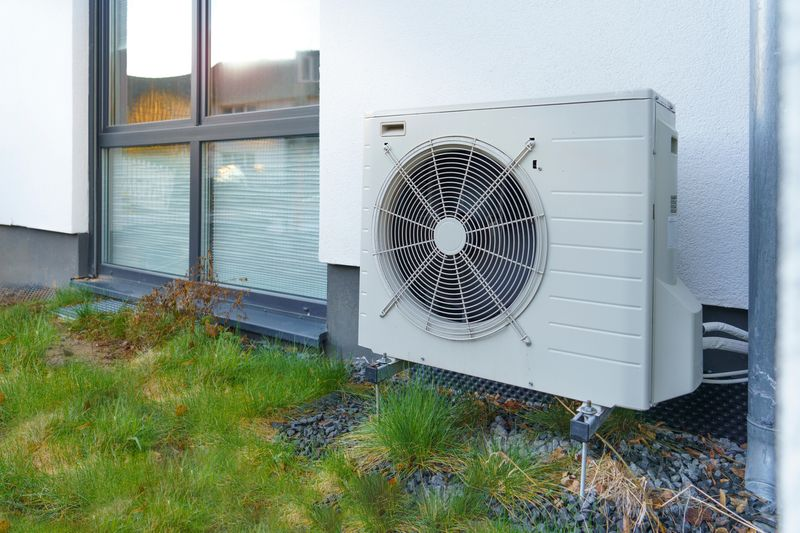
What is Decarbonisation?

The WWF Carbon Footprint Calculator helps you find out the environmental impact of your lifestyle. By answering simple questions on diet, travel, and home energy use, it provides personalised tips to reduce emissions and live more sustainably.

CATAPULT Energy Systems offer practical tools and tutorials to support public sector decarbonisation. Resources include strategy development guides, data templates, risk management frameworks, and funding advice, helping organisations plan, implement, and scale energy efficiency and heat decarbonisation projects.

Drawdown Explorer provides science-based insights into over 140 climate solutions, categorised by effectiveness. This interactive tool, cost and impact data, regional guidance, and actionable recommendations for individuals, businesses, and policymakers, enabling informed, localised strategies to accelerate meaningful climate action globally.

